What a breaker actually protects
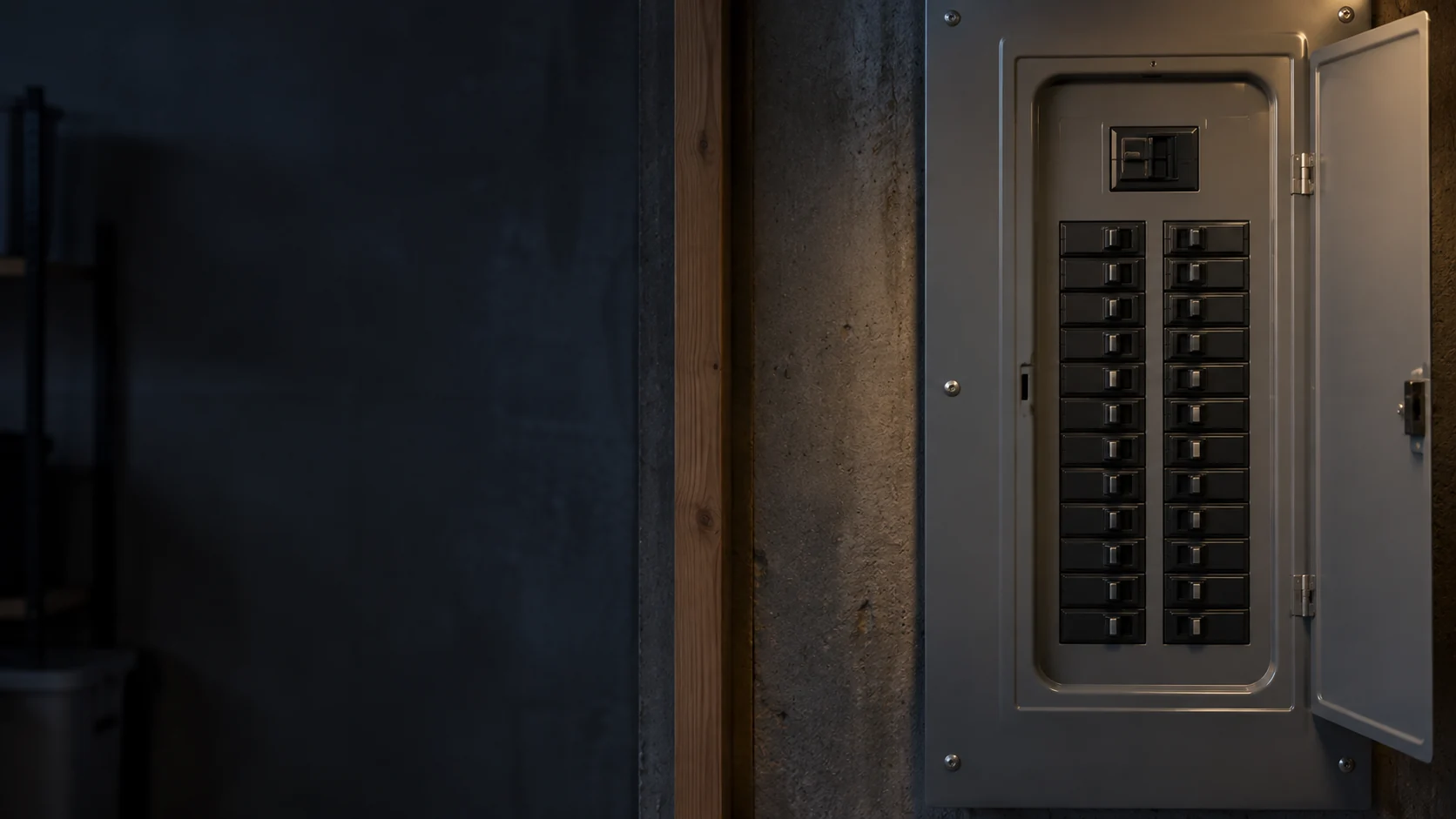
A circuit breaker does not exist to protect your toaster. It exists to protect the wire inside your walls. Every wire has a rated capacity, and when the current flowing through it climbs past that rating, the wire heats up. The breaker interrupts that current before the heat becomes a problem you cannot see.
A trip is not necessarily the system failing. It can be the system working. The question that matters is why it had to.
Cause one: the overloaded circuit
This is a common cause in homes, and it is simple math. A standard 15-amp circuit at 120 volts can carry about 1,800 watts. One space heater takes 1,500 of those watts by itself. Add a phone charger, a lamp, and a vacuum on the same circuit, and the breaker does what it was designed to do.
One trip after you loaded up a circuit may call for spreading the load. The same breaker tripping every week under normal use can mean the circuit needs professional evaluation.
Cause two: the worn breaker
Breakers are mechanical devices, and they age. Springs weaken, contacts wear, and an old breaker can begin tripping below its rating, or hesitating above it. If your panel is original to a home built decades ago, the breakers inside have been working that whole time.
A worn breaker is not something to guess about. It is something to test with the appropriate meter.
Cause three: the ones that matter most
Short circuits and ground faults can trip a breaker instantly, and they may trip it again the moment you reset it. This category deserves prompt attention because it can mean current is going somewhere it was never intended to go.
What happens during diagnosis
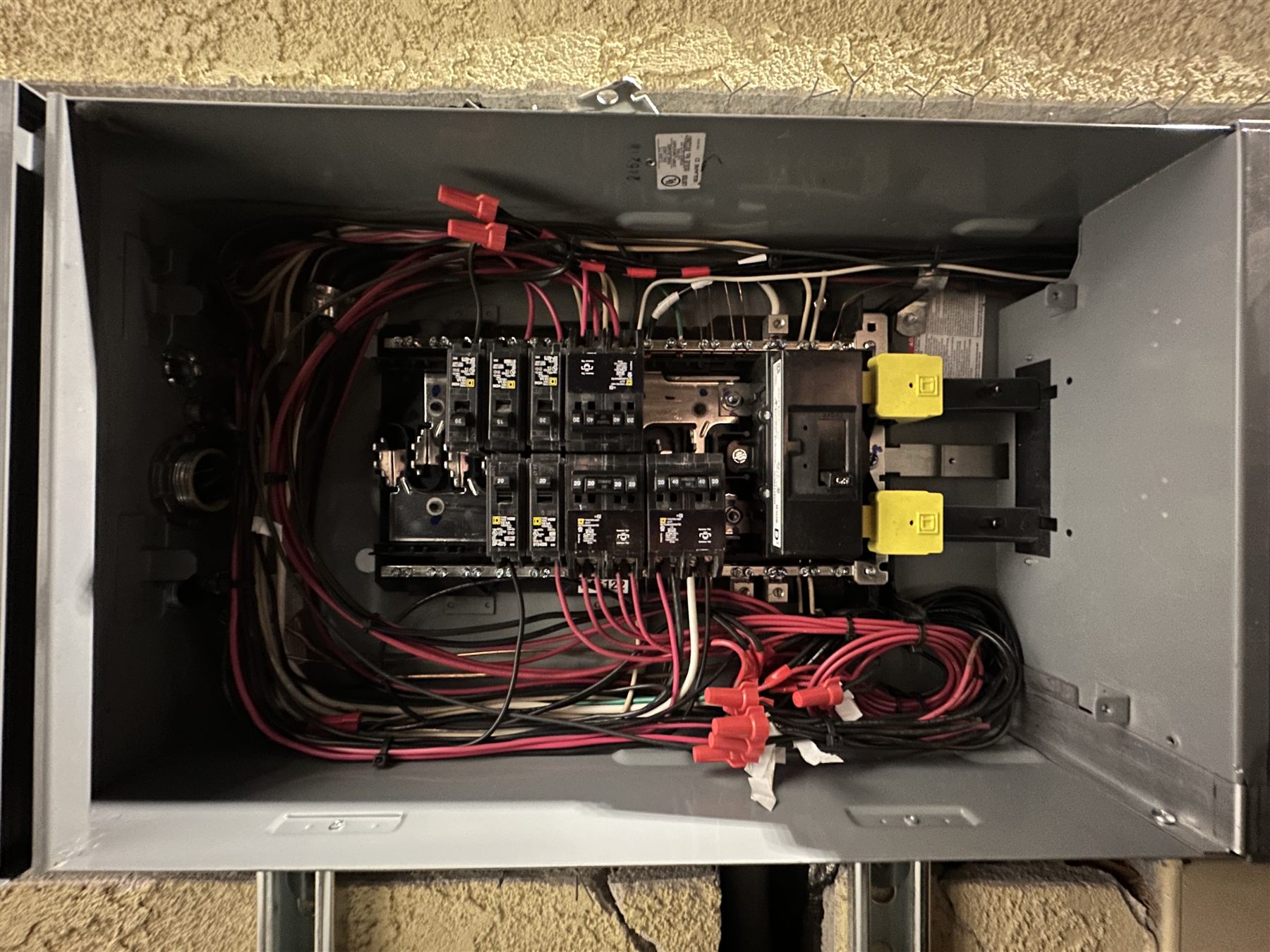
A professional diagnosis identifies the circuit, measures the load, tests the breaker, and inspects the wiring behind the problem. The goal is to explain what happened in plain language and correct the actual cause rather than repeatedly resetting the symptom.